Tallahassee & Leon County, Florida
Tile Installation in Tallahassee, FL
Planning new tile floors, a custom shower, bathroom tile or a backsplash? Tell us about your project and get connected with a local tile professional serving the Tallahassee area.
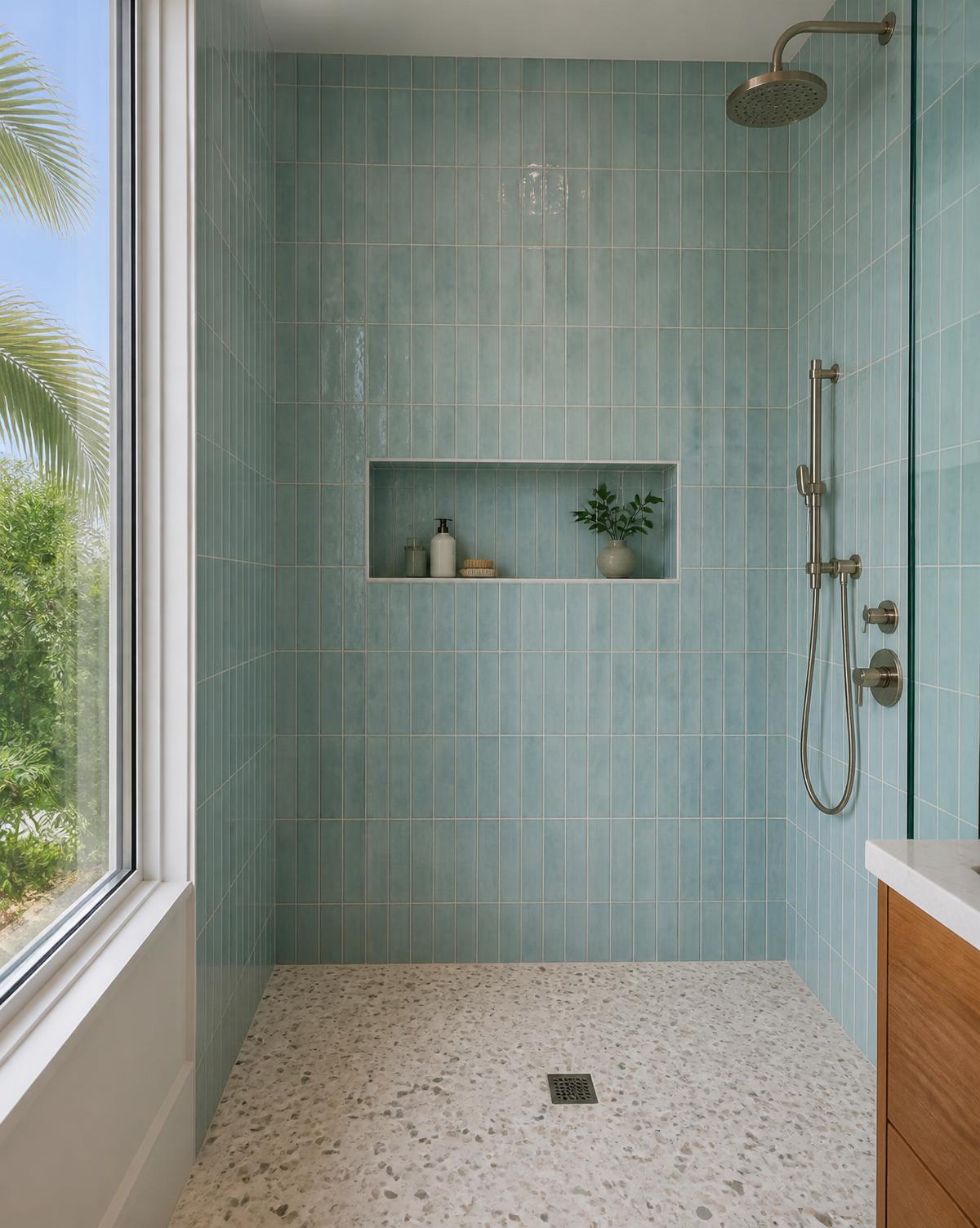
- Residential Tile Projects
- Tallahassee Area
- No-Obligation Estimate
- Local Project Matching
Tile Projects We Can Help With
Every one of these starts the same way: a description of the space and what you want done in it. Pick the closest match to see what the work involves.
Custom Tile Showers
Shower walls, sloped shower floors, niches, benches and curbless entries. The waterproofing and slope work behind the tile matters as much as the tile you pick out.
Tile Flooring
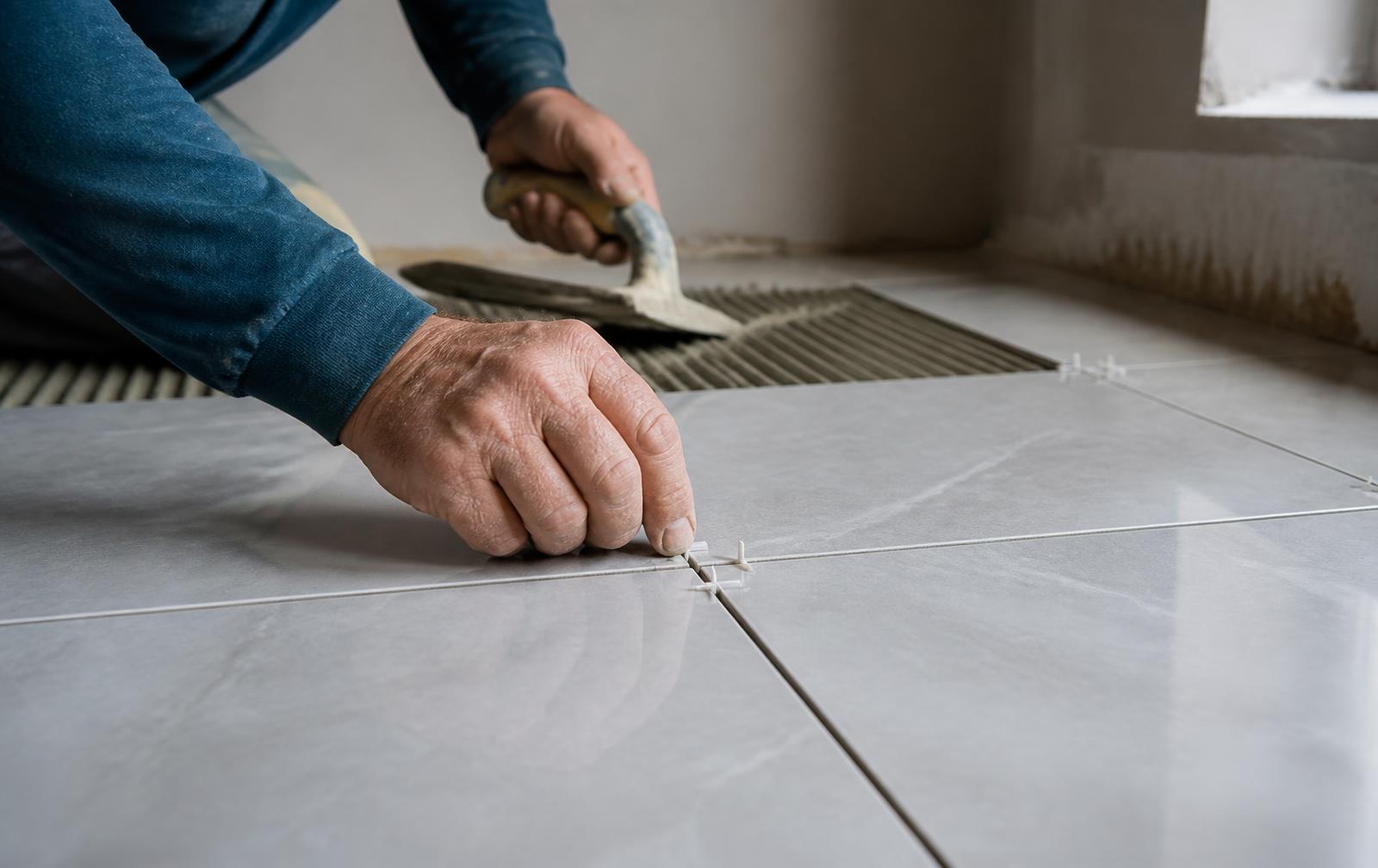
Porcelain and ceramic floors in kitchens, baths, laundry rooms, entries and living areas. Flat, sound substrate and a planned layout are what keep a floor looking right.
Bathroom Tile
Bathroom floors, tub surrounds, shower walls, accent walls and vanity backsplashes. Small rooms have a lot of cuts, transitions and wet-area detail packed into them.
Kitchen Backsplashes
Subway tile, mosaics, glass and stone between the counter and upper cabinets. Layout around outlets, windows and range hoods is what separates clean work from awkward work.
Tile Repair
Cracked, loose or hollow-sounding tile, failed grout and small shower repairs. Whether a repair makes sense depends on matching material and why the tile failed.
Ceramic & Porcelain Tile
Most residential projects use one of the two. Which one fits depends on where the tile is going, how much traffic it sees and how much cutting the layout requires.
A Better Starting Point for Your Tile Project
Tile work looks simple when it is finished. Getting there is another story. Layout, substrate preparation, waterproofing, material selection and the condition of the existing surface can all affect the finished project.
Tallahassee Tile helps homeowners take the first step. Tell us what you are planning, where the project is located and when you would like to get started. Your details go to a local tile professional who can look at the specifics and talk through scope and pricing with you directly.
We are not the installer, and we do not pretend to be. What we do is make the first conversation easier — and give you enough information beforehand that you can tell a thorough estimate from a thin one.
Popular Tallahassee Tile Projects
Custom showers
Replacing a fiberglass unit or an older tiled shower with a tile assembly built on site — sloped floor, waterproofed walls, and details like a niche or bench worked into the layout.
Bathroom floors
Small square footage, high cut count. Toilets, vanities and door thresholds all have to be worked around, and the transition into the hallway has to land cleanly.
Whole-room tile flooring
Kitchens, living areas and open plans tiled in one continuous run. Flatness across a long span is the main technical concern, especially with large-format tile.
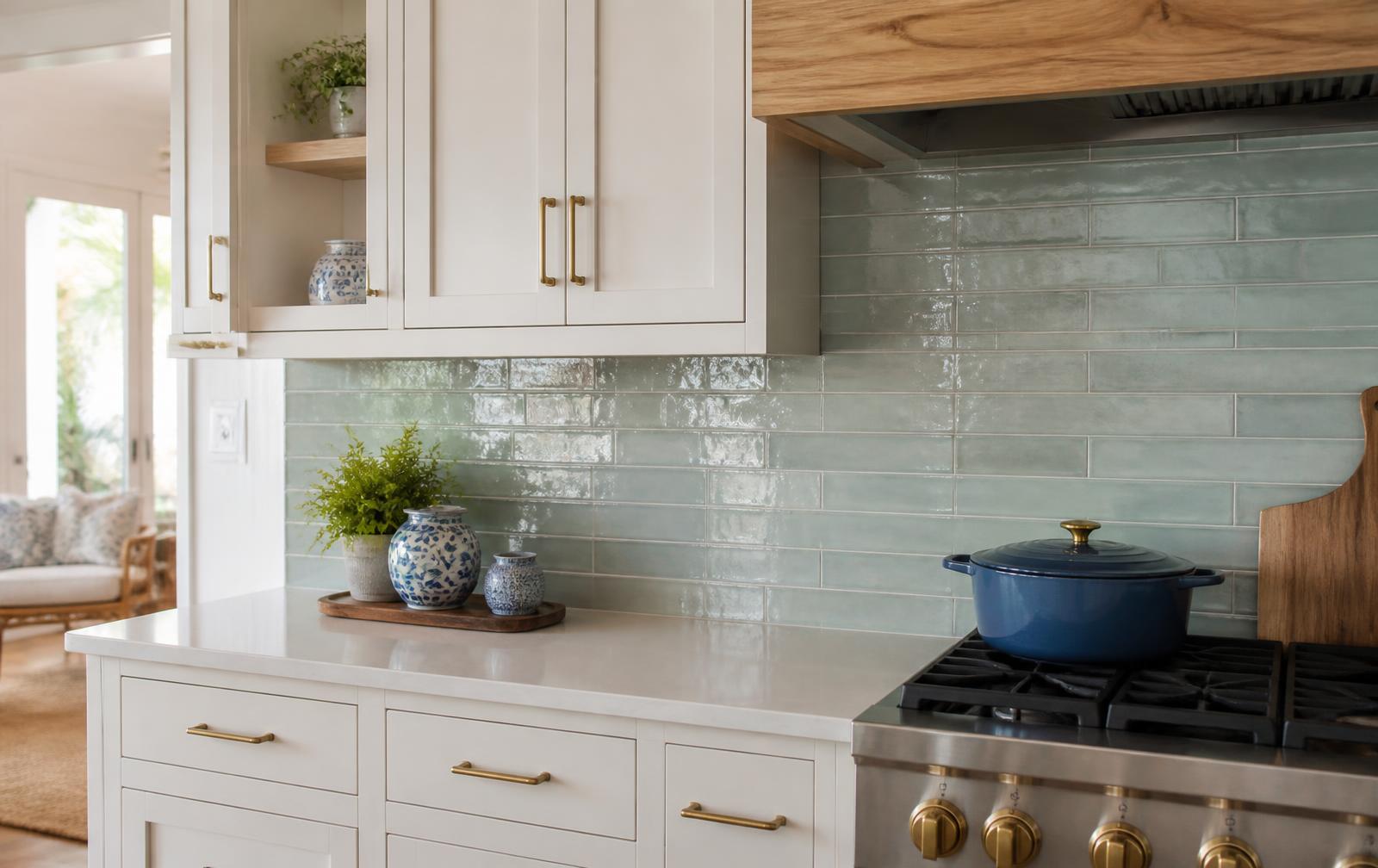
Kitchen backsplash
The most common weekend-scale tile project, and the one where layout decisions show up most: where the first course starts, how outlets are handled, how the run ends at a window or cabinet.
Tub surrounds
Tiling three walls around a tub, either as a refresh or after removing an old surround. The wall behind the tile still needs an appropriate wet-area treatment.
Large-format tile
Bigger tile means fewer grout lines and a cleaner look, but it also means the surface underneath has to be considerably flatter. Prep usually grows on these jobs.
Replacing damaged tile
One cracked tile in a floor, a section of loose tile, or grout that has started failing in a shower. Feasibility depends heavily on whether matching tile can be found.
Updating older bathrooms
Tallahassee has a lot of homes from the 60s through the 90s with original bath tile. These projects often uncover surprises once demolition starts, which is worth planning for.
Why Proper Tile Installation Matters
Most tile problems trace back to something that happened before the first tile went down. These are the fundamentals worth understanding as a homeowner.
- Flat, properly prepared surfaces
- Tile is rigid. It cannot follow a dip or a hump in the substrate, so the surface has to be brought into tolerance first — more so with large tile.
- Correct mortar and coverage
- The right setting material for the tile and substrate, spread so the back of the tile is properly supported. Voids are where hollow spots and cracks start.
- Layout planning
- Where the first line falls decides where the small slivers end up. Good layout is decided before setting, not discovered halfway across the room.
- Movement and crack considerations
- Buildings move. Slabs crack. Assemblies include ways to accommodate that, including movement joints and, where appropriate, crack-isolation membranes.
- Waterproofing in wet areas
- Showers and other wet areas need a designed waterproofing assembly behind the tile, with seams, corners and the drain connection detailed correctly.
- Appropriate grout joints
- Joint width is chosen for the tile, not for looks alone. Some tile needs more joint than people expect, and forcing it tighter causes lippage and chipping.
- The right material for the application
- Wall tile on a floor, indoor tile outdoors, or polished stone in a shower floor are all mismatches that create problems no installation quality can fix.
- Curing and sequence
- Setting materials, waterproofing and grout each have their own timing. Rushing the sequence to finish a day earlier is a poor trade.
Tile in North Florida Homes
Tile is common in this part of Florida for practical reasons. It handles humidity and tracked-in moisture better than most soft flooring, it stays comfortable in a warm climate, and it holds up in the rooms that see water — kitchens, baths, laundry rooms and entries.
Porcelain tends to be the default for those areas because of its low water absorption. That does not make ceramic a bad choice; it just means the application should drive the material.
A few conditions worth discussing on a Tallahassee-area project:
- Slab-on-grade construction is common here. Slabs should be evaluated for cracks, unevenness and moisture before tile goes down, since those conditions affect what prep is needed.
- Wet areas need an appropriate waterproofing system selected for the assembly, not just a water-resistant board and grout.
- Tile used on porches, patios and pool decks has to be rated for exterior use, and slip resistance matters more outdoors than in.
- Older Leon County homes sometimes have layered flooring or previous repairs that only turn up during demolition. Worth asking how a provider handles that.
How It Works
- 01
Tell Us About Your Project
Describe the space, type of tile work and approximate timeline. Photos and rough measurements help.
- 02
Review the Project
Your project information is reviewed so it can be matched appropriately to the type of work involved.
- 03
Connect With a Local Professional
A local service provider can contact you to discuss the project, look at the specifics and cover next steps.
Tile Project Planning Resources
Read these before you start collecting estimates. They will make the conversations shorter and the quotes easier to compare.
How Much Does Tile Installation Cost in Tallahassee?
What actually moves the price, and how to compare two estimates that look different.
Ceramic vs. Porcelain Tile in Florida
Water absorption, hardness, cost and where each one tends to make sense.
How Long Does Tile Installation Take?
Realistic timelines by project type, and what pushes a schedule out.
What Should I Ask a Tile Installer?
Questions about scope, prep, waterproofing, materials and change orders.
Tile questions Tallahassee homeowners ask
Ready to get a tile estimate?
Share the space, the type of tile work and your rough timeline. We will review the details and, when appropriate, a local tile professional can reach out to talk through the project.
Request an Estimate